


Deep Dive
来自我们记者的行业洞察

Facing rising AI costs, Travelers Insurance has developed its own large language model, TravelersLLM, which outperforms commercial models in the insurance domain with lower operating costs. The company employs a hybrid model routing strategy, flexibly selecting models based on task requirements, reducing expenses while decreasing reliance on a single vendor.

A report jointly released by Carnegie Mellon University and technology company Larridin provides the first evidence that companies specifically disclosing AI initiatives experience significantly faster revenue growth, but finds no necessary correlation with profit margins or stock price performance.

CrowdStrike is expanding the reach of its Project QuiltWorks cyber defense alliance. Just four months after launching the program for large enterprises, the cybersecurity vendor aims to reach small and medium-sized businesses through distributors, managed service providers, and other channel firms. This move comes amid heightened industry interest in SMB opportunities, with CrowdStrike seeking to achieve scale through partners' expertise and customer relationships.
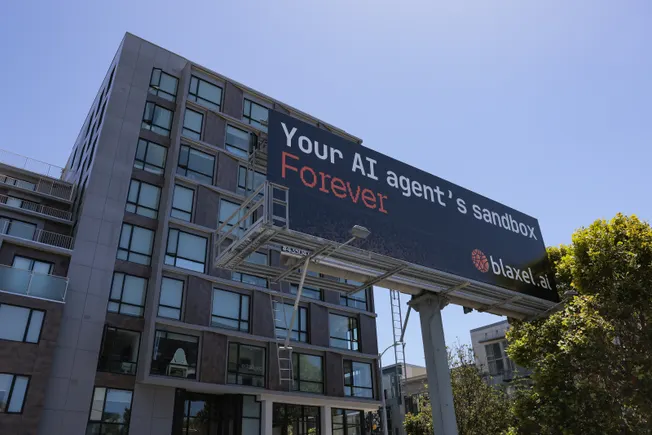
Deloitte's latest survey finds that although most US executives expect AI agents to reshape nearly half of business processes in the next four years, only one in five enterprises are adequately prepared. The report notes that human-agent collaboration is seen as the core of value, but transformation faces obstacles such as missing process documentation and fragmented data.

In early 2026, enterprises sought to maximize the use of AI compute units to appear efficient, but after suppliers shifted to usage-based billing, cost pressures surged. Meanwhile, changes in federal and global technology policies, along with unsatisfactory employee adoption rates, have made AI deployment more difficult. Experts advise CIOs to optimize model selection, adjust workflows, and strengthen employee training to balance innovation and risk.

AI technology is evolving from a threat to mainframes into an empowering tool, driving enterprises to move from 'discard and start over' to 'upgrade in place.' Vendors are launching COBOL modernization assistants, and enterprises are building self-developed platforms to accelerate code conversion, but Gartner warns that over 70% of migration projects may fail due to overestimating AI.

Grocers are accelerating the application of AI to back-office operations, such as inventory checks, demand forecasting, and pricing optimization. Experts believe that, compared with flashy consumer-facing tools, back-office AI can more directly address industry pain points, but success depends on data quality, organizational alignment, and senior leadership support.

Security researchers have been tracking attack campaigns targeting Cisco SD-WAN vulnerabilities since early 2026. These attacks have impacted critical government websites and key infrastructure providers, causing anxiety among global authorities. Attackers exploited multiple vulnerabilities (such as CVE-2026-20127, CVE-2026-20182, etc.) to compromise systems, employing techniques including unauthorized peer connections and web shell deployment. Cisco products are widely deployed in government and enterprise networks, making them high-value targets. Cisco has taken response measures including introducing AI-based vulnerability scanning and adjusting disclosure policies.

As cyber insurance rates decline and insurers' profitability pressures rise, insured enterprises are facing stricter review in both claims and underwriting processes. The global market is highly dependent on large U.S. policyholders, and systemic risk concerns are prompting insurers to upgrade risk models and strengthen requirements for security governance. The protection gap for small and medium-sized enterprises remains significant, while new risks such as geopolitical conflicts and artificial intelligence applications are reshaping the boundaries of claims.
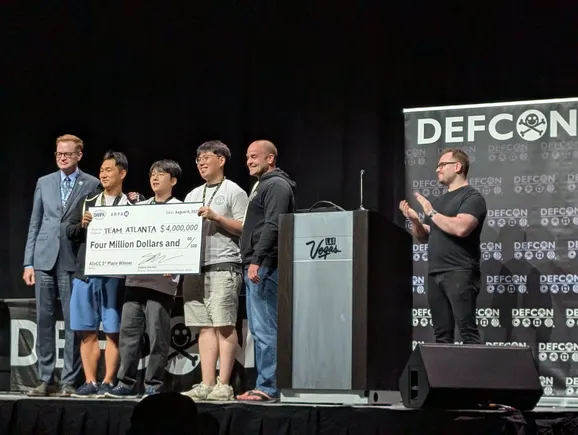
While closed-source AI models like Anthropic's Claude Mythos gain prominence for discovering critical vulnerabilities, open-source AI systems incubated by DARPA's AI Cyber Challenge have quietly revolutionized vulnerability hunting at a fraction of the cost. Winning teams and finalists are applying their expertise to protect open-source software underpinning the internet and are attempting to engage with critical infrastructure operators. Despite challenges such as slow industry adoption and cumbersome approvals, the efficiency gains in vulnerability discovery, validation, and automated remediation have been confirmed by multiple parties.