


Latest news

On August 25, 2026, Informa TechTarget announced the launch of the B2B AI Authority Index, a diagnostic tool based on 24 questions that assesses brand authority in AI-mediated buying journeys and categorizes brands into four archetypes.
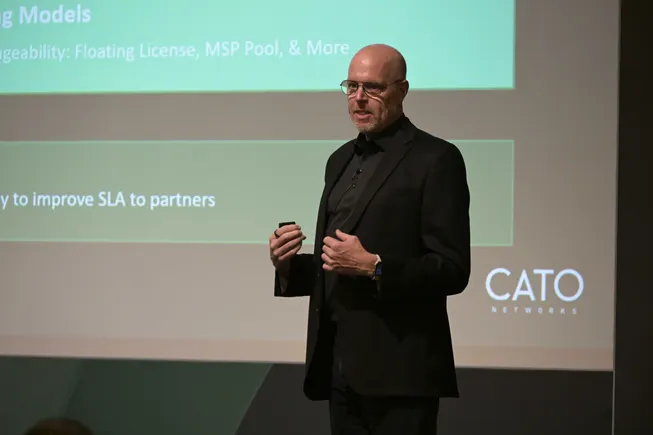
Cato Networks updates its MSP partner program with the SMB FlexPool license pool and MSASE Dashboard, aiming to simplify service delivery for small and medium-sized businesses.

Data released by Gartner on Tuesday shows that despite widespread enterprise adoption of AI, fewer than one in four enterprises have successfully scaled AI across multiple business departments. The survey covered more than 1,300 leaders from organizations with annual revenue exceeding $50 million. Meanwhile, 85% of technology leaders plan to increase AI investment next year, but about 11% of surveyed organizations reported a lack of visibility into AI spending in 2025. Gartner analyst Tina Nunno warned that without disciplined measurement tied to business outcomes, enterprises risk wasting resources and falling short of expectations.
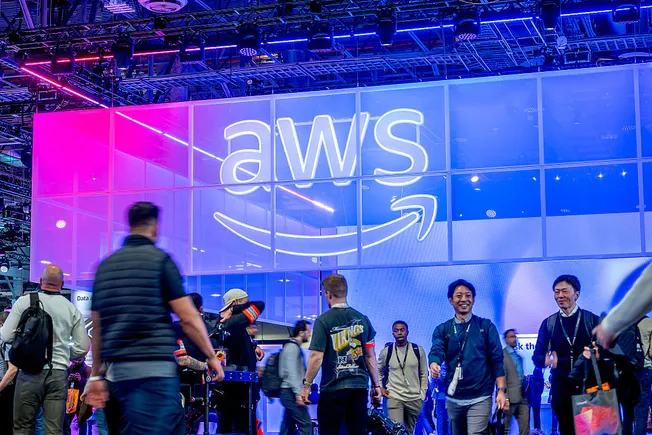
AI is putting pressure on the multi-year software contracts common in the channel ecosystem. As enterprises seek to control spending in the token economy, AWS partners are experimenting with flexible pricing, including pay-as-you-go and outcome-based models. Allison Johnson, Director of AWS Americas Technology Partner Team, stated that all software will offer consumption and AI models, and five-year contracts will no longer exist.

Flamingo raised $4.5 million in its initial seed funding round, bringing total funding to $6.7 million. The company plans to use the funds to convert 400 trial MSPs and 2,500 potential customers into paying users. Its platform OpenFrame integrates 19 IT and security tools and is equipped with AI agents Fae and Mingo, aiming to achieve autonomous IT service operations.

KPMG announced that its internally used AI agent tool aIQ Capture has passed independent testing and certification under the AIUC-1 standard, becoming the first of the Big Four accounting firms to obtain this certification. This move comes amid widespread concerns over the risks of autonomy in AI systems.
Telarus' 2026-27 Technology Trends Report reveals that 84% of IT buyers are willing to switch vendors at renewal, and 87% of buyers saw renewal costs rise over the past year. Vendors tend to attract new customers with discounts, while renewal costs for existing customers remain high, especially in the SaaS sector. Cases such as Nutanix vying for VMware customers and unified communications vendors maintaining contract values by adding AI SKUs highlight this trend.

The latest BMC survey shows that 94% of mainframe professionals and decision-makers expect long-term investment in mainframe technology, with AI tool adoption as a top priority (45%), and over a third plan to invest in in-house or third-party agents. The industry is shifting from AI experimentation to trusted operations, with mainframes seen as part of AI infrastructure, a younger talent structure, and security and privacy concerns reinforcing their position.

Palo Alto Networks (PAN) researchers revealed in a media briefing that, after months of participating in Anthropic's Project Glasswing and OpenAI's Daybreak projects, their security testers found vulnerabilities at a significantly faster rate, completing in a shorter time what would have taken a year to discover. This raises concerns that malicious actors could exploit the same capabilities to weaponize security vulnerabilities at a pace far exceeding modern defense systems. Sherrod DeGrippo, Vice President of Threat Intelligence at Unit 42, noted that a single threat actor with such AI could possess nation-state or criminal-level capabilities without requiring deep training or experience. The 3-to-5-month attack window PAN previously warned about is becoming a reality, and security leaders must prepare for the new threat landscape.

The retail industry is accelerating its adoption of artificial intelligence to improve supply chain efficiency, customer experience, and internal operations. Executives from companies such as Ulta Beauty, Gap, Kohl's, and Dollar General disclosed specific AI application plans in recent earnings calls, including chatbots, predictive models, and agentic AI systems. The global head of Bain & Company's retail practice noted that companies face pressure from boards and investors to clarify their AI strategies. Although most companies are not pursuing full-scale transformation, AI is gradually permeating the shopping experience, from generative shopping tools to intelligent customer service, and consumers may feel more personalized services.