


Latest news


The rapid development of generative AI is reshaping the future of IT service desks. Frontline technical support roles may be partially replaced, but experts emphasize that human oversight and quality control are indispensable. Enterprises must weigh efficiency against risks and proceed cautiously with AI adoption.
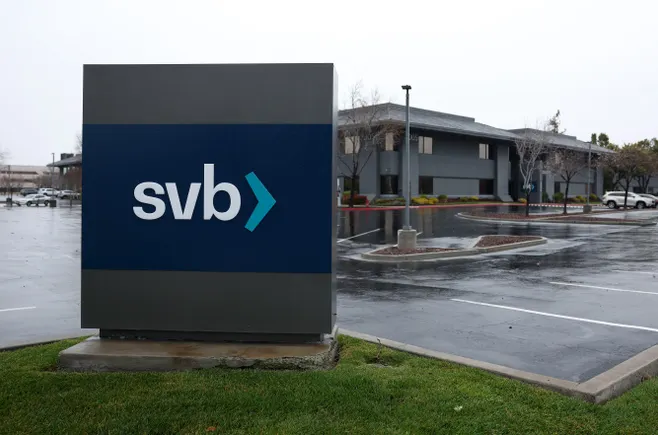
After Silicon Valley Bank (SVB) was taken over, financing channels for technology startups were blocked, and demand increased among enterprise IT departments for financial reviews and backup plans for suppliers. Multiple CIOs and analysts pointed out that supplier due diligence should be conducted in advance, with attention paid to hidden dependencies and merger and acquisition risks.

The large-scale layoffs in the tech industry in early 2023 have drawn widespread attention. This article reviews the scale of the layoffs, corporate dynamics, and the chain reactions in the talent market. Data shows that so far in 2023, 485 companies have laid off more than 138,000 people, with giants like Meta conducting second rounds of layoffs. Experts point out that this is both a correction after overheated hiring and a normalization process in the labor market. Despite the short-term impact being significant, the long-term demand for technical talent remains strong, and salary growth is trending toward moderation.

A New York City law restricting the use of AI tools in the hiring process will take effect on January 1, 2023, seen as a pioneer in protecting job seekers from algorithmic bias. However, clear guidance on how employers and vendors can comply is still lacking, raising questions about the law's effectiveness. This article outlines the legal requirements, expert opinions, and legislative trends at the federal and state levels.

The Copilot tool, launched by GitHub and OpenAI, is based on GPT-3's Codex engine and can learn from comments and code to instantly suggest lines of code or functions. Although it is not the only AI-assisted development tool, it has attracted attention for its ability to bridge the gap between business requirements and code implementation. However, its code quality, security, and computational resource demands remain major obstacles for enterprise-level adoption. Experts believe that in the future, developers will focus more on design and business alignment, while AI will handle more repetitive coding tasks.

Companies such as Northwestern Mutual have begun piloting hybrid work, but IT departments face challenges such as device allocation, network bandwidth, shadow IT, and security risks. Experts suggest responding by upgrading collaboration tools, optimizing conference room technology, and ensuring digital experience parity.


The pandemic has driven the adoption of hybrid work, but in industries such as power, construction, and healthcare, many critical tasks still require physical presence. This article cites insights from several industry executives, analyzing the applicable boundaries, technological challenges, and future trends of hybrid work.

The FCC invested $9.2 billion in the Rural Digital Opportunity Fund (RDOF), with SpaceX's Starlink receiving $885.51 million, igniting a heated debate over whether satellite internet can truly solve the digital divide. Supporters argue that LEO satellites can cover areas where fiber is difficult to reach, while opponents question its cost, capacity, and maturity. This article synthesizes multiple perspectives to analyze the technological prospects and challenges.