


Latest news

AI agents are becoming a disruptive force in IT operations for the digital workplace. Gartner predicts that by 2030, nearly one-third of enterprises will achieve autonomous operation of 80% of digital workplace services, a figure that stands at 0% in 2025. This article explores the application scenarios, governance frameworks, and skill reshaping requirements of AI agents, providing strategic reference for CIOs.
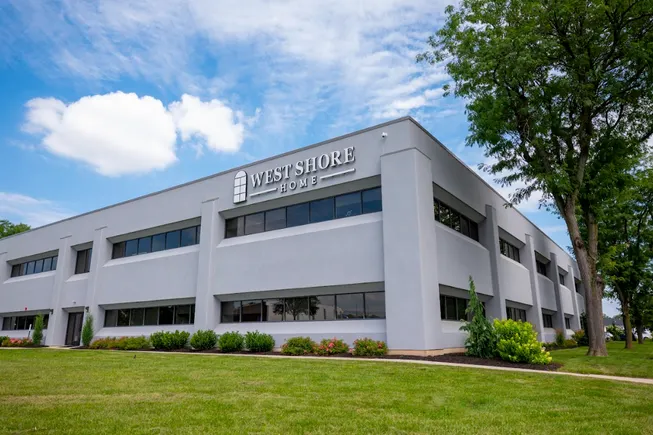
West Shore Home appoints Eppie Vojt as its first Chief Data and AI Officer, leveraging AI technology to optimize project completion time predictions. Its proprietary system Sapos has provided estimates for nearly half of its projects, demonstrating the practical value of AI in traditional industries.

Professional Services Automation (PSA) platforms aim to shift the center of gravity of AI development in the MSP industry toward themselves. MSPs are facing the choice of building in-house, trying startup SaaS, or relying on existing PSA platforms. With pressure and risks coexisting, the decision is imminent.

Oracle reported fiscal 2026 third-quarter results, with total revenue of $17.2 billion, up 22% year over year, and AI infrastructure revenue more than tripling year over year. The co-CEO stated that AI demand continues to outpace supply, with remaining performance obligations exceeding $500 billion. However, analysts point out that Oracle's cloud infrastructure revenue scale still lags behind AWS's 2017 level, making it extremely difficult to catch up with leading vendors.
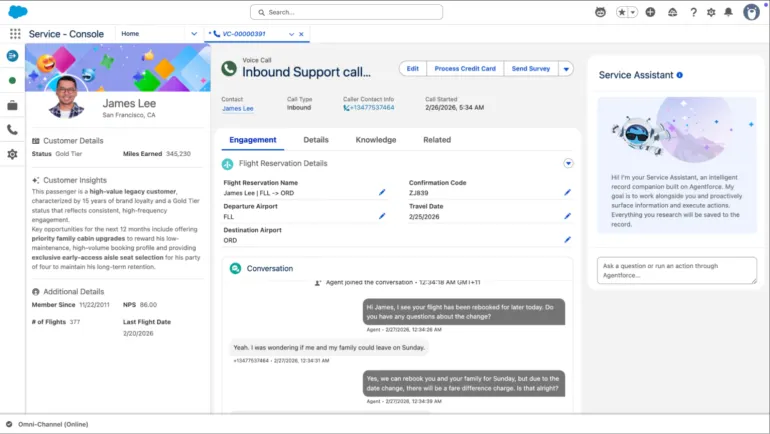
Salesforce released Agentforce Contact Center on March 10, 2026, claiming it is the only unified platform that natively integrates contact center, CRM, and virtual AI agents. Analysts view this move as a strategic shift by Salesforce from an integration-first approach to native in-house development, while also triggering competitive responses from CCaaS partners such as Genesys, RingCentral, Vonage, and NiCE.

Microsoft is collaborating with multiple security vendors to advance the Windows Resiliency Initiative, planning to migrate security software from kernel mode to user mode to enhance system resilience. The project originated from the CrowdStrike update incident in 2024 and is still in its early stages, facing technical challenges and market pressure, and is expected to proceed over the long term.

The latest quarterly survey by The Conference Board in the United States shows that for the first time, CEOs' concerns about AI risks have surpassed geopolitical turmoil, cyber intrusions, and financial and economic instability, viewing it as the biggest threat to their industries. At the same time, CEO confidence has risen to its highest level since the first quarter of 2025, with the proportion planning to increase capital expenditures jumping from 22% to 35%. Federal Reserve officials warn that AI may lead to job displacement and short-term productivity losses, but long-term returns are promising.
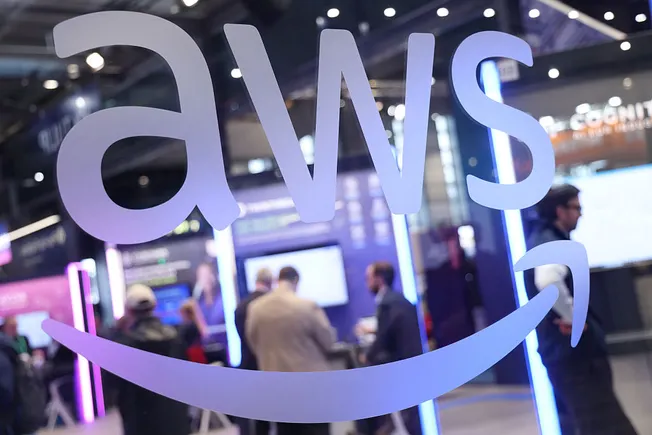
AWS outage in the Middle East highlights the importance of disaster recovery and business continuity
AWS data centers in the Middle East (UAE, Bahrain) were hit by drone attacks, with services disrupted from Sunday through Tuesday. Analysts from Gartner and Omdia emphasize that under geopolitical conflicts, business continuity plans, data backups, and multi-cloud redundancy strategies are crucial. AWS advises affected customers to activate disaster recovery plans and switch to other regions, but has not provided a recovery timeline.

Private equity investors are learning from the insurance brokerage industry to drive consolidation in the tech advisory (TA) sector. Insurance brokerage and TA are highly similar in asset-light models and recurring commission income, but the insurance market is decades ahead in maturity. Investors need to be patient while also noting differences in product stability, channel roles, and client management between the two.

LinkedIn's '2026 Skills Rise' report indicates that AI engineering, operational efficiency, and AI business strategy rank as the top three fastest-growing skills. Although two-thirds of executives expect employees to proactively improve AI skills within the next six months, less than half of American professionals report feeling supported. Demand for AI literacy-related roles has increased by over 70% year-over-year, while employee concerns about skill deficiencies intensify, and the recruitment market continues to face challenges.