


Latest news

Palo Alto Networks Chief Product and Technology Officer Lee Klarich revealed in a blog post that the company, as a launch partner for Anthropic's Project Glasswing, tested frontier AI models such as Claude Mythos starting April 7, resulting in the disclosure of 26 CVEs in the first Patch Wednesday security advisory, far exceeding the usual 5. Klarich emphasized that merely running the models does not automatically solve problems; it requires building an AI scanning framework and adopting a multimodal approach. Meanwhile, Google and Microsoft also reported breakthrough progress in AI-driven vulnerability discovery.

eero releases eero Signal, an automatic cellular backup device for small and medium businesses that seamlessly switches to cellular networks when the primary internet connection fails, reducing the impact of business disruptions. The device is quickly set up via the eero app, supports multi-carrier eSIM, and offers usage-based subscription plans.

Software platform Harness released its 'State of Engineering Excellence 2026' report on Wednesday, indicating that AI is taking over some coding responsibilities, shifting engineering roles toward managing AI output. The survey, covering 700 enterprise developers and engineering professionals, found that AI has become a default part of workflows, but teams face challenges in measuring productivity impact and ROI. Over half of respondents are concerned about performance evaluations based on AI data, hoping for improved separation between data and performance assessment clarity.

U.S. critical infrastructure operators, due to declining confidence in federal government support capabilities, established the Critical Infrastructure Alliance (ACI) in February, with founding members including JPMorgan Chase, Mastercard, AT&T, and Berkshire Hathaway Energy. The alliance aims to promote cross-industry cybersecurity collaboration and fill the coordination vacuum caused by government budget cuts and staff attrition. ACI Chairman Ben Flatgard stated that the private sector must take on more responsibility. Experts believe that while this move cannot replace federal leadership, it helps address visibility gaps in critical systems.

Omdia's latest research shows that 49% of managed service providers (MSPs) want a fully integrated software and service delivery platform, and 91% need integrated backup and recovery capabilities, marking a continued shift from point solutions to platform-based approaches in critical data protection and AI governance. The advancement of AI adoption and agentic AI is accelerating this trend, with governance and compliance challenges being the biggest obstacles.

According to Sophos's 2026 State of Identity Security report released on Tuesday, 70% of enterprises experienced at least one identity-related breach over the past year, with an average of three such incidents per company. Two-thirds of ransomware victims originated from identity issues, with an average recovery cost of $1.64 million. Based on a survey of 5,000 IT and cybersecurity leaders across 17 countries, the report indicates that identity has become the 'new perimeter' of cybersecurity, yet most enterprises still show significant gaps in monitoring and credential management.
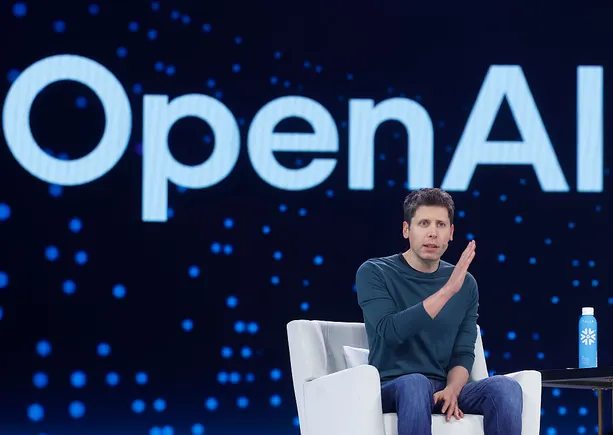
OpenAI Releases Daybreak Cybersecurity Initiative, Directly Responding to Anthropic Mythos Challenge
OpenAI introduces the Daybreak cybersecurity initiative, aiming to help enterprises build autonomous defense capabilities from the ground up through AI reasoning and agent technology. The product is positioned against Anthropic's Mythos and has attracted partners such as Cloudflare and Cisco. Analysts suggest that enterprise technology leaders should actively evaluate the potential of such AI security tools.
Google Threat Intelligence Group (GTIG) released a report on Monday disclosing that a threat actor used AI to develop a usable zero-day vulnerability, believed to be the first successful case. The attack attempted to launch a large-scale exploitation event but was detected and prevented by Google in advance. GTIG has notified relevant developers and released a patch. The report also noted that hacker groups linked to North Korea and China have shown strong interest in AI-assisted vulnerability discovery.
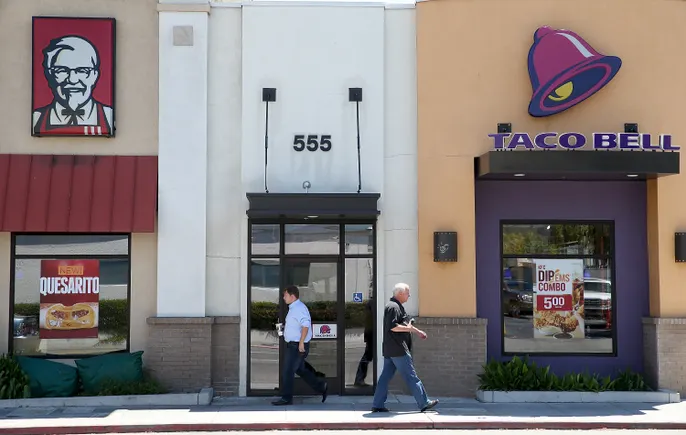
Yum Brands Chief Digital and Technology Officer Jim Dausch explained at a virtual event co-hosted by CIO Dive and CX Dive how the company is building an 'AI hub' through modernization and AI tools. He revealed that Taco Bell's digital sales share is expected to rise from 1% in 2019 to nearly 50% by 2026, and the Byte by Yum platform now covers over 35,000 restaurants across 150 countries.

A report released by security firm BlackFog on Wednesday indicated that the vast majority of global ransomware attacks in the first quarter of 2026 were not disclosed. Data shows that undisclosed attacks reached 2,160, nearly 10 times the 264 disclosed attacks. The United States was the main target, with manufacturing and healthcare being the most frequently attacked industries in undisclosed and disclosed attacks, respectively. The report also highlighted emerging attack tools and new risks brought by shadow AI.