


Latest news

A Kyndryl survey shows that only one in four business and technology leaders fully trust their AI systems, but more than four in five respondents expect autonomous AI agents to make decisions with substantial business impact within the next year. AI is now widely embedded in core processes, and enterprises are adapting by redesigning roles and upskilling.

A survey of over 850 global C-level executives by Protiviti and the University of Oxford found that technology leaders such as CIOs have a net confidence of 61% in AI-driven revenue growth, while CEOs and board members have only about 30%. Alignment among leadership on AI success criteria influences confidence more than technological maturity.
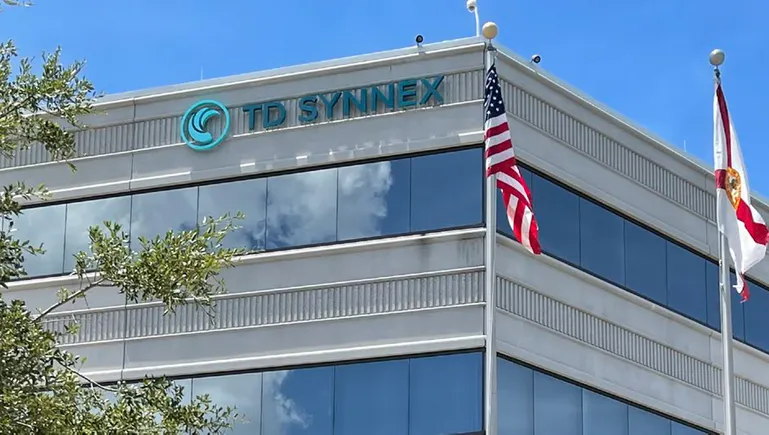
TD Synnex CEO Patrick Zammit noted during Thursday's earnings call that as token usage costs for AI models rise, enterprises may reassess the value of on-premise infrastructure deployment. The company posted record quarterly results, with total billings up 33% year-over-year to $28.9 billion, with PCs, servers, and networking equipment contributing more than half of the distribution business billings.

MSPs serving small and medium-sized businesses are facing severe challenges from the recurring exposure of vulnerabilities in SSL VPN devices. Products from Fortinet, SonicWall, and others have continuously seen high-risk CVEs, making unpatched devices the primary initial access vector for ransomware. This article analyzes the structural risks, proposes a phased migration strategy toward cloud-native VPN and ZTNA, and emphasizes the window of opportunity for MSPs to proactively guide customer transformation.
According to the latest Gartner forecast, as enterprise demand for AI workload computing surges and data sovereignty regulations become increasingly stringent, Neocloud providers will capture a 20% share of the $267 billion AI cloud market by 2030. AWS, Microsoft, and Google still dominate the overall cloud market, but Neocloud is emerging as a significant alternative with its specialized AI infrastructure and flexible deployment models.

According to the latest Gartner report, by 2028, the token costs of AI programming will exceed the average salary of ordinary developers. The shift from subscription models to pay-as-you-go pricing intensifies fluctuations in AI spending, making it difficult for enterprises to predict and control budgets. Experts advise CIOs to strengthen usage monitoring and cost governance.

Facing pressure on AI investment returns, enterprise CIOs can draw on the public sector's lean innovation experience. New York State CIO Dru Rai emphasizes achieving sustainable AI applications through controlled experimentation, pragmatic technology choices, and prioritizing security and privacy within limited budgets.
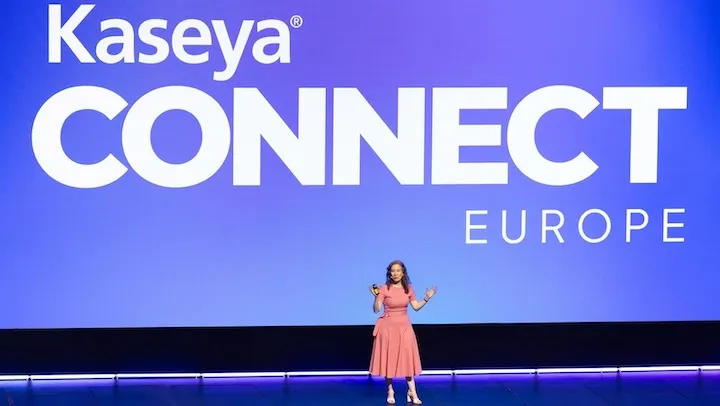
Kaseya CEO Rania Succar said at Kaseya Connect Europe in Prague that managed service providers (MSPs) will miss significant growth opportunities if they do not accelerate their AI services. Citing Kaseya research, she noted that nearly half of MSP customers have raised AI demands, but only 13% of MSPs can generate substantial revenue from them. Omdia analyst Maxine Holt also pointed out that 70% of enterprise AI proof-of-concept projects fail to reach production. Kaseya believes AI will fundamentally change the economic model of managed services, while compliance and governance services are emerging as another growth area.

A survey jointly released by the Information Systems Security Association (ISSA) and Omdia shows that despite the increasingly widespread application of AI in the cybersecurity field, nearly 70% of practitioners report that their work has become more difficult over the past two years, and the issues of talent attrition and skill gaps remain severe.

A survey by Publicis Sapient of 1,550 enterprise technology decision-makers shows that over 70% of U.S. respondents expect AI to expand significantly in the next one to two years, but only 20% believe their organizations are prepared. Nearly a quarter of respondents cited operating models as a primary obstacle, and most enterprises have not thoroughly reformed systems, workflows, and operating models to fully leverage AI.