


Latest news

In a report released on July 1, 2026, Gartner stated that AI agents are threatening traditional pricing and consumption models in enterprise software, predicting that by 2030, up to $234 billion in SaaS spending will be at risk due to agent arbitrage. George Brocklehurst, Vice President at the firm, believes this is not the end of SaaS but a 'transformation,' with IT budgets shifting toward outcome-centric services.

According to a report released by Emergn on Wednesday, U.S. companies lose an average of 2.4% of annual revenue due to AI projects failing to deliver expected value. The technology and consulting firm surveyed 700 senior business leaders. Only 30% of organizations consider shutting down underperforming AI projects a normal practice, and nearly half say projects are typically halted only after significant time and money have been invested.
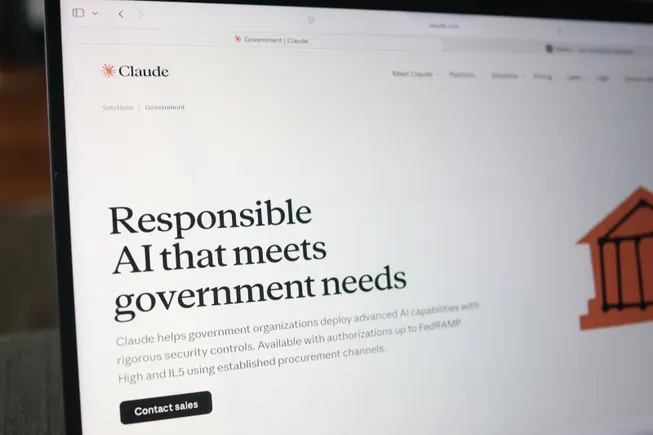
Anthropic reopened access to its advanced AI models Fable and Mythos on Wednesday after the Trump administration lifted export control restrictions. Fable 5 is generally available again, while Mythos 5 remains limited to trusted partners. The company stated it has improved safety classifiers and called for a unified standard for assessing jailbreak severity.
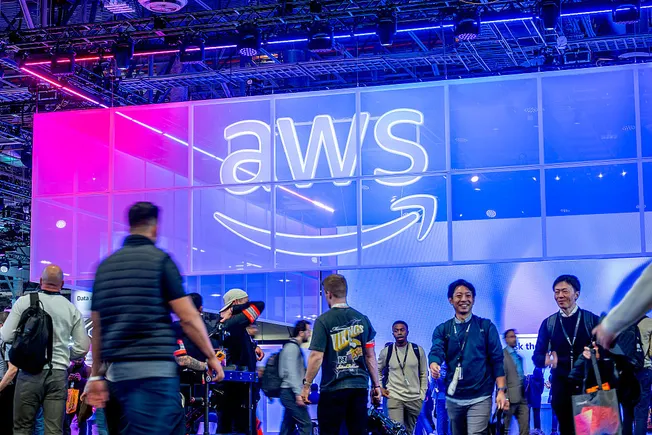
At the Washington summit, AWS announced up to $1 billion in outcome-based credits for intelligence agencies and officially launched Secret Cloud for Industry for defense contractors to run classified workloads. It also established a $20 million accelerator to strengthen the partner ecosystem.
ServiceNow and Accenture have partnered to launch integrated security services, combining the ServiceNow AI platform with Accenture's AI migration tools to help enterprises address security risks brought by agentic AI and accelerate the transition from legacy systems to modern platforms.

Despite the industry's push toward AI, MSPs that thrive are those that ensure every customer has a named person accountable for their experience. This piece explores why personal accountability is the new competitive edge, how to implement it, and where AI fits without replacing the human touch.
AWS announced on Tuesday that it will invest $1 billion to establish a dedicated frontline deployment engineering (FDE) organization, embedding thousands of enablement experts within customer teams to build and deploy agentic AI systems. The organization operates as an independent business unit within AWS, rather than as a separate company. AWS will fold its existing generative AI innovation center team into this FDE unit, which is centered on an agent-first approach. This move places AWS in fierce competition with tech giants like Microsoft and Google for AI deployment talent. AWS promises customers can achieve deployment within days, not months; collaboration focuses on business outcomes rather than billable hours; and after FDE work is complete, customers can run systems themselves. FDE work is organized into teams of five to six engineers, paired with the agents they build, operating in 45-day sprint cycles.

AppViewX has officially launched an upgraded global partner program to address enterprise demands for machine identity, agent identity security, and cryptographic resilience. The program includes new collaboration, co-selling, and accountability guidelines, along with pre-sales enablement courses and a partner portal. Troy Dankworth, the company's Vice President of Channels, emphasized that the program aims to streamline processes, enhance partner profitability, and support partners in bringing unique go-to-market approaches.

Several technology companies, including Anthropic, AWS, IBM, and Microsoft, have announced the formation of the Akrites Alliance to discover, disclose, and fix security vulnerabilities in open source software. Led by the Linux Foundation, the alliance will establish shared security incident response teams and coordinated vulnerability disclosure mechanisms to address the dramatically increased speed of vulnerability discovery and the risk of malicious exploitation brought by cutting-edge AI models.

HP and OpenAI announced an agreement on Sunday to deploy OpenAI's enterprise AI platform Frontier across HP's global operations, making HP one of the first enterprises to adopt the platform at scale. The two parties plan to jointly develop AI agents for internal operations such as customer support, employee productivity, and software development. HP initiated an exploration phase when the platform was launched in February, assessing the alignment of technical capabilities with business priorities.