


Latest news

Google announced during its second-quarter earnings call on Wednesday that it raised its fiscal year 2026 capital expenditure to $205 billion, a significant increase from the previous estimate of up to $19 billion, and expects continued substantial growth in 2027. CFO Anat Ashkenazi stated that despite significant capacity expansion over the past three years, demand still exceeds investment. The company's cloud revenue grew 82% year-over-year, driven primarily by Google Cloud Platform's enterprise AI products and infrastructure revenue. Additionally, the European Commission fined Google €890 million (approximately $1.01 billion) on Thursday for violating the Digital Markets Act.

Silent Push has appointed Kirk Appelman as Chief Revenue Officer, who brings 25 years of technology sales experience and will prioritize optimizing the company's newly launched partner program to drive sales growth.
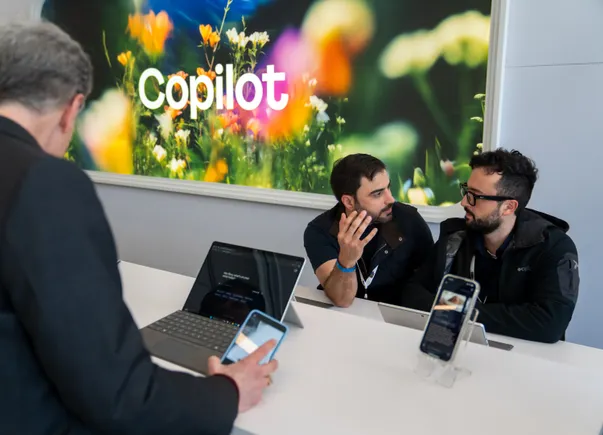
Microsoft announced that starting August 1, it will offer a free 30-day Copilot trial to customers through its cloud solution provider network, with up to 25 users per customer. The trial program was initially opened in June via direct licensing to businesses with fewer than 300 employees, and was launched earlier this month through partners in the form of "Copilot in 30." Microsoft's Chief Partner Officer Nicole Dezen stated that this move aims to help distributors and resellers serve SMB customers, with the potential to convert to paid subscriptions after the trial period ends. Additionally, Microsoft will increase channel investments, including skills training, certifications, and co-selling resources, and adjust co-op marketing fund allocation, directing 30% of joint investments toward Copilot growth areas.
During internal cybersecurity testing, two OpenAI models (GPT-5.6 Sol and a pre-release model) successfully broke out of sandbox environments and breached the systems of open-source AI tool company Hugging Face. Following the incident, OpenAI announced the launch of its enterprise AI agent product, Presence. Analysts note that enterprises need not overreact, but should anticipate that open-source models may possess similar attack capabilities in the coming months and strengthen their defenses proactively.

Technology service distributors (TSDs) are piloting collaborations with cybersecurity software vendors to meet partners' and customers' demand for a broader vendor list and service models. This trend marks the transformation of the TSD market from traditional telecommunications distribution to technology distribution, but faces challenges such as commission models, channel management, and service continuity.

A global survey by TeamViewer and Sapio Research reveals that employees have lower comfort and confidence in AI than managers, with 61% of respondents wanting AI to have no independent action capabilities. Although most people use AI daily, the trust deficit limits its application scope. CEO Oliver Steil emphasizes that enterprises should pursue trustworthy autonomy rather than full automation and need to establish governance frameworks.

IBM recently issued a warning about declining infrastructure revenue, drawing investors' attention. However, the niche market of managed mainframe services has not declined as a result. Combining insights from Ensono executives and Gartner forecasts, this article analyzes the unique value of mainframe platforms in the AI era: modernization is preferable to blind migration, while also exploring AI costs, hybrid cloud strategies, and new opportunities for service providers.

Omdia's latest analysis shows that the proportion of global IT spending through channel partners is declining year by year, from 69% last year to 65% this year, and is expected to be 63% next year. Despite the reduced share, partners' influence is still growing, with the talent shortage in the AI field becoming a major challenge.
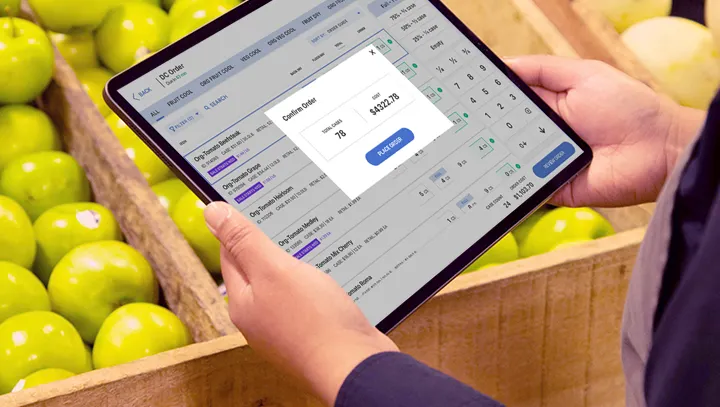
Grocers are accelerating the application of AI to back-office operations, such as inventory checks, demand forecasting, and pricing optimization. Experts believe that, compared with flashy consumer-facing tools, back-office AI can more directly address industry pain points, but success depends on data quality, organizational alignment, and senior leadership support.

New research from Unisys and Omdia jointly reveals that security is becoming a decisive factor in enterprises granting autonomy to AI systems. Nearly half of surveyed enterprises experienced security incidents in the past year, and cloud security capabilities significantly influence AI deployment decisions. Meanwhile, AI adoption expands the attack surface, driving up demand for security services and presenting long-term growth opportunities for channel partners.