


Leadership

Several large banks disclosed during Q2 2026 earnings conference calls that AI tools have been deeply integrated into daily operations, with significant growth in employee usage. Bank of America has over 200,000 employees using AI capabilities, with more than 400,000 daily prompts; Citigroup has nearly 90% of employees using AI tools; JPMorgan Chase has nearly 1,000 active AI use cases, but CEO Dimon cautioned that AI costs are high, and the ultimate beneficiaries will be customers.
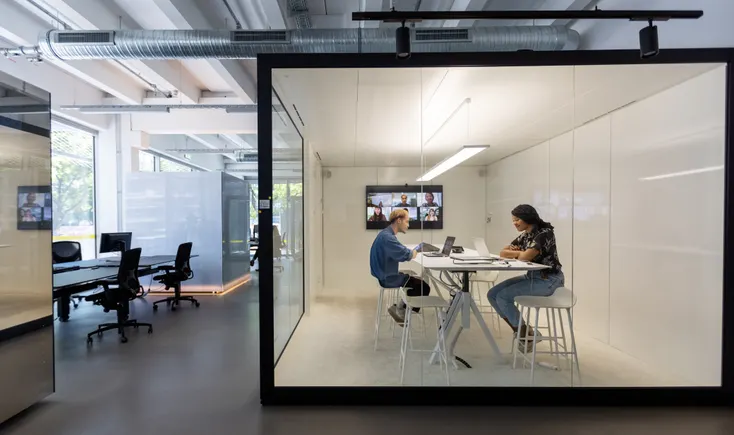
Modern workplaces have unprecedented technological density, yet data silos prevent managers from answering fundamental questions about spatial performance. Fragmented systems lead to wasted resources, delayed decision-making, and untrackable return on investment. By integrating a unified platform that consolidates space, device, system, and behavioral data, organizations can turn rooms into sources of insight, enabling scalable optimization of experience and utilization.

A report released by information services firm ISG on Wednesday indicates that enterprises are shifting to hybrid cloud strategies to accommodate the growth of AI workloads. Over 80% of enterprises are re-evaluating their cloud plans to enhance operational resilience, reduce costs, and improve performance. The hybrid cloud model is evolving from a focus on workload location to unified management across diverse environments.

Ulta Beauty announced on Tuesday that current board member Kelly Garcia will become Chief Technology Officer, starting August 31. Garcia will leave Domino's and the Ulta board, having served as EVP and CTO at Domino's for 14 years. The company's CEO stated that Garcia's insights into emerging technologies such as AI will support the company's technology-driven growth strategy.

A survey of 2,600 executives across 13 countries by SAP and Oxford Economics found that satisfaction with AI investment returns has risen to 69%, but cost efficiency is not the primary benefit; the proportion of tasks assisted by AI has increased from 25% to 30%, expected to reach 48% in two years; U.S. companies spend an average of $37.2 million on AI and see returns of $9.9 million, with returns expected to grow to $26.5 million in two years.

In a report released on June 30, Federal Reserve Bank of St. Louis researchers William Rodgers III and Alice Kassens noted that employment opportunities for young adults aged 18 to 24 have continued to deteriorate due to a reduction in overall job openings and an increased demand for AI-related skills. Between April 2023 and December 2025, the employment rate for this age group fell by more than two percentage points, primarily reflected in a rise in unemployment rather than a withdrawal from the labor force. In contrast, employment outcomes for workers aged 25 to 64 have remained largely stable.
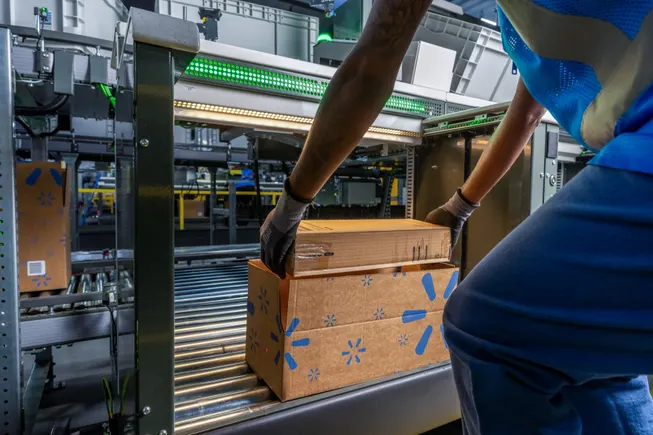
Before Walmart pushed AI to its 2 million employees, its supply chain team already relied on predictive models. Now, leveraging massive data, machine learning, large language models, and digital twin technology, Walmart is optimizing every step from receiving to delivery to balance assortment, speed, and cost, while quickly responding to sudden disruptions.

Texas Capital announced the appointment of Mo Jamous as Managing Director, Chief Digital and Information Officer, effective immediately. Jamous will be responsible for the company's technology strategy and AI initiatives, reporting directly to Chairman, President and CEO Rob Holmes. He previously spent five years at U.S. Bank, serving as CIO for Consumer and Commercial Banking, and most recently held the role of SVP and CTO for Banking Platforms at FIS.

KPMG's Q2 2026 Global AI Pulse Survey shows that 71% of enterprises report good progress in achieving full integration of AI and human workforce, up from 60% at the start of the year. Nearly a quarter of enterprises have embedded AI into daily processes, up from 13% in the first quarter. Despite cost pressures, enterprise confidence in AI value realization has significantly strengthened, but executive accountability for AI outcomes remains a key factor driving performance gaps.

CompTIA's latest analysis shows strong employment growth in the U.S. IT industry in June, with the unemployment rate dropping to 2.9%, the first time below 3% this year. Tech job postings exceeded 600,000 for the second consecutive month, but layoffs in the tech sector continue, with AI emerging as a key force reshaping the industry.