
Deep Dive
来自我们记者的行业洞察


The U.S. fresh grocery industry has long relied on internal promotions to develop executives, but digitalization and competitive pressures are driving companies to bring in leadership talent from external industries. H-E-B, Albertsons, and Walmart have already appointed cross-industry executives. Experts note that external talent brings technology and fresh perspectives but must understand the unique complexities of fresh grocery retail, while also paying attention to cultural integration and recruitment strategy adjustments.
Facing talent gaps in emerging fields such as cloud computing, tech giants like Amazon, Google, Facebook, and Apple are deeply collaborating with community colleges to jointly develop courses and certification programs. While this model offers new opportunities, it also sparks discussions about curriculum independence, cost burdens, and future competitive relationships.

The tech industry is facing an increasingly severe talent shortage. According to CompTIA data, tech job postings reached 3.8 million in 2018, while there were only 1.5 million software developers. A Robert Half survey shows that nearly 90% of hiring managers find it difficult to recruit qualified technical talent. With surging demand in fields such as cloud computing and data analytics, compounded by the retirement of the baby boomer generation, experts predict that the talent shortage will intensify further over the next decade. Companies like Salesforce, Amazon, and Microsoft are cultivating talent through online training platforms, but the industry as a whole still faces challenges in skills upgrading and diversity.
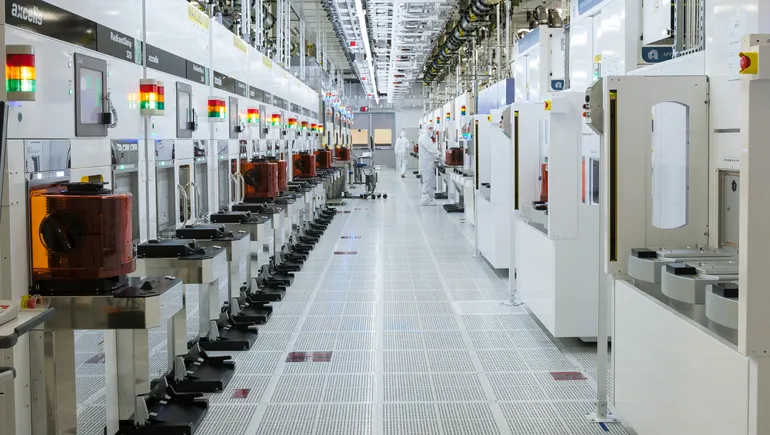
Micron Technology is leveraging smart manufacturing technologies to meet strong demand for memory chips in sectors such as automotive and industrial IoT. Its Manassas facility plans to invest $3 billion by 2030, add over a thousand jobs, and deploy AI-based image and acoustic analysis systems to achieve a zero-defect goal.
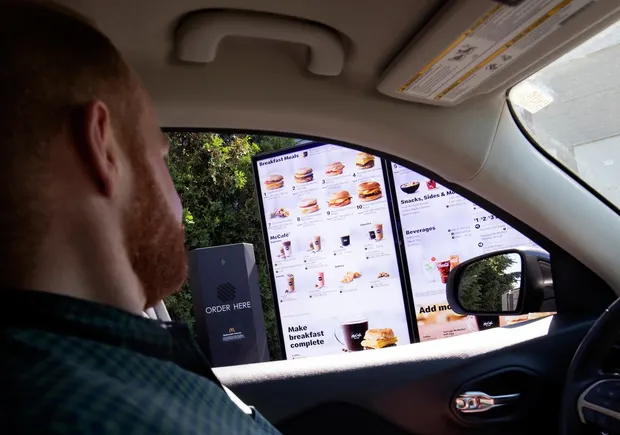
Drive-thru ordering efficiency has long been stagnant, but now a group of technology companies are reshaping this scenario through AI, license plate recognition, and personalized recommendations. Companies such as 5Thru, Valyant AI, and ZIVELO have launched related solutions, while giants like McDonald's are actively piloting them. Data shows that drive-thrus account for 60% to 70% of fast food sales, and the average service time has increased from 190 seconds in 2003 to 234 seconds in 2018, making technological upgrades key to breaking through the industry's bottleneck.
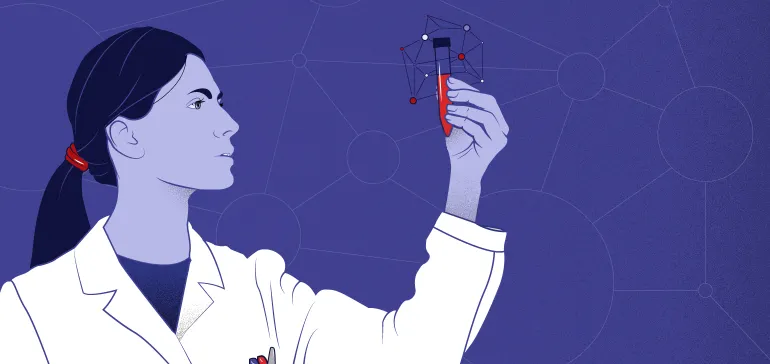
Two major U.S. clinical testing giants, Quest Diagnostics and LabCorp, were affected by a cyber intrusion at their shared billing agency AMCA, with approximately 12 million and 8 million patients' data impacted respectively. The incident exposes vulnerabilities in healthcare supply chain security, with experts calling for continuous verification and strict contractual obligations for third parties.
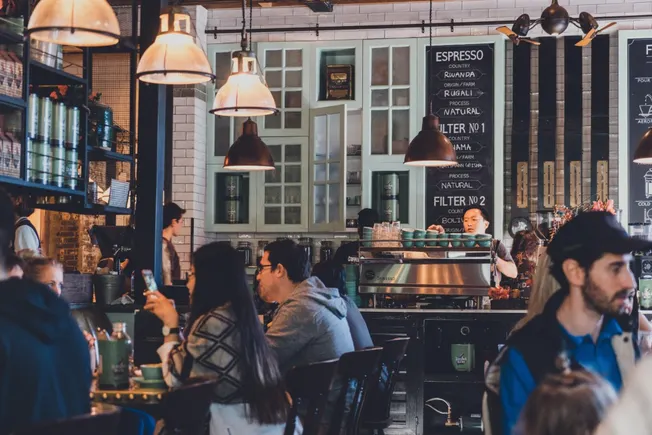
As digitalization reshapes the restaurant industry, chain brands of all sizes are betting on data mining. However, most companies are unclear about how to convert vast amounts of data into actual growth. Through interviews with industry executives, this article dissects key issues such as personalized menus, disputes over third-party platform data sovereignty, and AI-assisted decision-making, revealing the difficult path from data to insights and the potential risks involved.

One year after the EU GDPR was implemented, the progress of data privacy legislation in US states has been slow, with fewer than 20 states proposing related bills, most of which have not reached the governor's signing stage. The CCPA, pushed by California Senator Hertzberg, has become a benchmark, but federal legislation is hopeless, and the tension between corporate lobbying and consumer protection demands continues to intensify.