


Deep Dive
来自我们记者的行业洞察

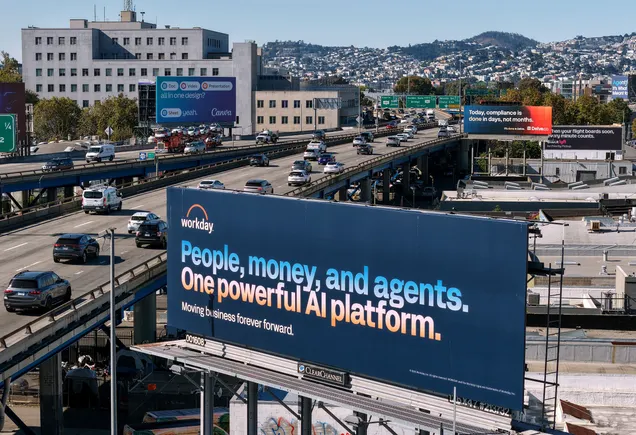
Workday is actively expanding its channel ecosystem by acquiring AI companies, launching data cloud, and establishing collaborations with Microsoft and others, creating more business opportunities for partners. Partners expect these initiatives to drive revenue growth in consulting and systems integration, and to foster the development of innovative solutions based on the Workday platform.

AI agents are seen as the next wave of enterprise automation, but over the past year, most companies are still exploring suitable adoption processes. Incomplete governance frameworks, insufficient security protections, low technological maturity, and employee change management have become major barriers. Based on KPMG surveys, Gartner forecasts, and insights from executives at multiple companies, this article explores how enterprises can prudently advance their AI agent strategies.

The release of ChatGPT quickly brought OpenAI into the purview of enterprise CIOs, but two years later, industry experts are divided on whether it can continue to lead enterprise technology trends. Enterprises are no longer enamored with the novelty of AI, instead pursuing quantifiable returns on investment, and OpenAI's market share has dropped from 50% last year to 34%, with competitors like Anthropic rising. Despite this, OpenAI remains the third-largest venture-backed company globally with a valuation of $157 billion and over 1 million paid business users.


Since OpenAI's ChatGPT was publicly released two years ago, vendors have rushed to launch hundreds of generative AI features and promised transformative benefits, but CIO enthusiasm has notably cooled. Challenges such as deployment complexity at scale, rising costs, and high project failure rates have prompted enterprises to focus more on governance and practical use cases.

The widespread application of generative AI brings numerous risks, and enterprise CIOs are turning to standard frameworks such as NIST for guidance. Discover Financial Services reduces risks through risk classification and a "human-in-the-loop" strategy, while institutions like AAA strictly limit data usage. Despite the abundance of guidelines, a unified standard is lacking, and CIOs need to develop strategies based on their own risk tolerance.

In the enterprise computing power race sparked by generative AI, Microsoft is expanding its Azure cloud infrastructure footprint through massive capital investments worldwide. From Wisconsin to Kenya, and from France to Malaysia, the company has announced multiple multi-billion-dollar investment plans within just a few months. This article outlines Microsoft's recent global data center investment timeline and analyzes the strategic logic, financial backing, and competitive industry landscape behind it.


The rapid development of generative AI is reshaping the future of IT service desks. Frontline technical support roles may be partially replaced, but experts emphasize that human oversight and quality control are indispensable. Enterprises must weigh efficiency against risks and proceed cautiously with AI adoption.